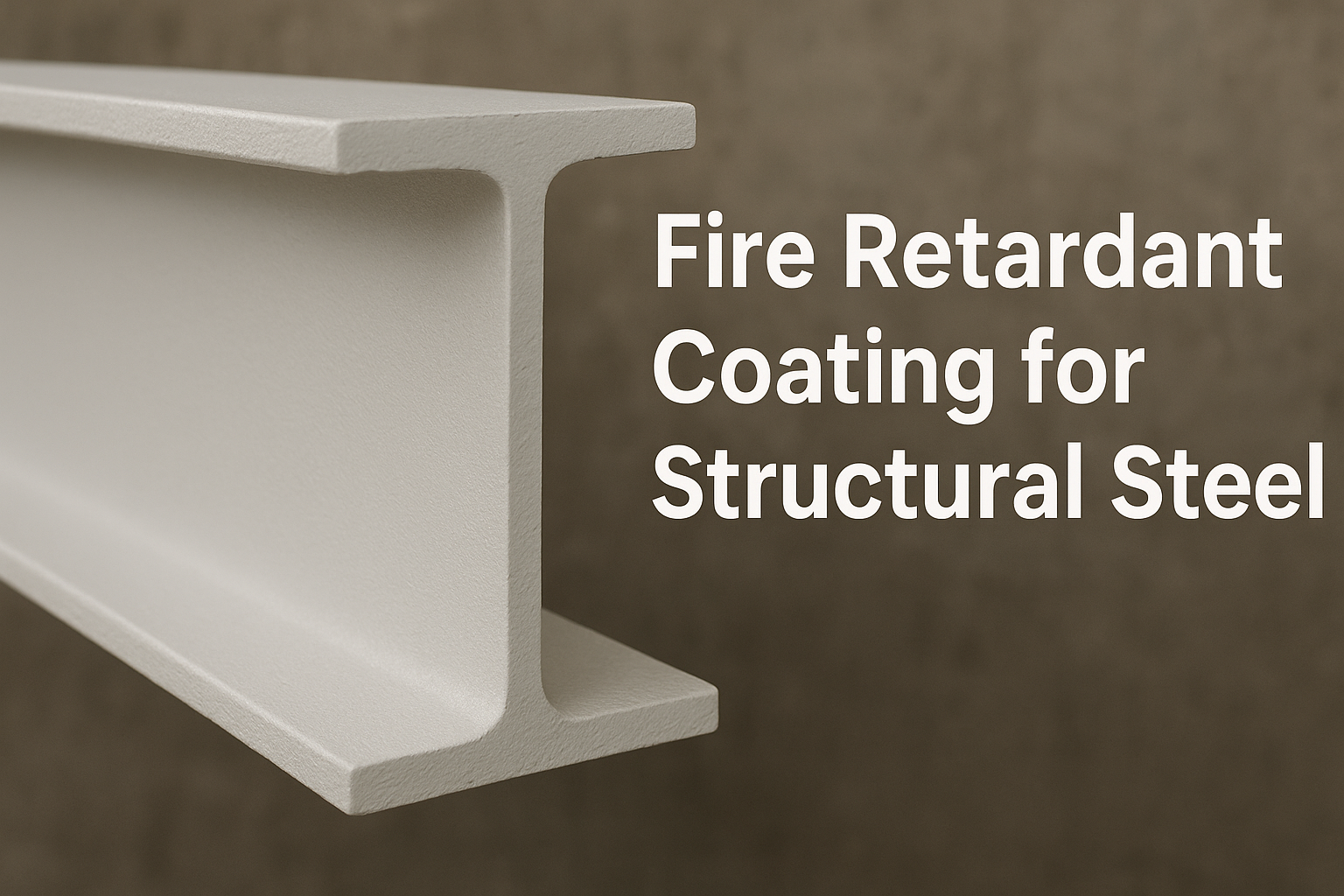
Structural steel is one of the strongest and most reliable building materials used in modern construction. However, despite its high strength, steel is vulnerable to extreme temperatures during a fire. When exposed to heat above 550°C, steel begins to lose its load-bearing capacity, which can lead to catastrophic structural failure. To prevent this, engineers and builders commonly use fire retardant coatings for structural steel, an essential fire protection method that increases the fire resistance of steel components and improves overall building safety.
In this comprehensive guide, we explore what fire retardant coatings are, how they work, the different types available, benefits, applications, standards, and why fireproofing steel is essential for any commercial, industrial, or residential project.
Understanding Fire Retardant Coating for Structural Steel
Fire retardant coatings—often known as intumescent coatings, passive fire protection coatings, or fireproof paint for steel—are specialized products designed to protect steel structures from the damaging effects of fire. Unlike standard paints, these coatings are engineered to react chemically when exposed to high temperatures.
How It Works
When a fire occurs, the coating undergoes a chemical reaction that causes it to expand and form a thick, insulating char layer. This char acts as a thermal barrier, slowing down heat transfer to the steel underneath. As a result, the structural steel retains its strength for a longer period, allowing more time for evacuation and fire control measures.
Why Structural Steel Needs Fire Protection
While steel is non-combustible, it is not immune to fire. At around 400–600°C, steel begins to lose its strength, stiffness, and stability. Without proper fireproofing:
- Beams and columns can bend, warp, or collapse
- Building integrity may fail within minutes
- Fire spread increases rapidly
- Lives and property are at higher risk
Fire retardant coatings increase the fire resistance rating of steel from 30 minutes to 120 minutes or even more, depending on the product and thickness applied.
Types of Fire Retardant Coatings for Structural Steel
Different fire protection scenarios require specific technologies. Below are the most commonly used fireproofing coatings:
1. Intumescent Coatings (Thin-Film)
These are the most widely used coatings for architectural and exposed steelwork.
Features:
- Expand up to 50 times their thickness when exposed to heat
- Lightweight and aesthetically pleasing
- Suitable for commercial and industrial buildings
- Easy to apply
Best For:
High-rise buildings, malls, airports, warehouses, and exposed steel structures.
2. Cementitious Fireproof Coatings (Thick-Film)
These coatings consist of cement-based mixtures that provide robust fire protection.
Features:
- Higher durability in harsh environments
- Cost-effective for large projects
- Typically applied in industrial plants and power stations
Best For:
Refineries, factories, petrochemical plants, tunnels.
3. Epoxy-Based Fireproof Coatings
These are high-performance coatings designed for extreme hazards.
Features:
- Strong resistance to chemicals, moisture, and corrosion
- Ideal for offshore structures and oil & gas installations
- Provides fire ratings up to 3 hours
Best For:
Marine, offshore, oil & gas platforms.
4. Water-Based Fire Retardant Coatings
Environmentally friendly and odor-free options.
Features:
-
Low VOC
-
Safe for indoor applications
-
Easy cleanup
Best For:
Residential buildings, schools, hospitals.
Benefits of Fire Retardant Coating for Structural Steel
1. Enhances Fire Resistance
These coatings delay the heating of steel during fire, providing vital extra time for safe evacuation and firefighting operations.
2. Preserves Structural Integrity
By maintaining the steel’s load-bearing capacity, the building is less likely to collapse under extreme heat.
3. Aesthetic Flexibility
Thin-film intumescent coatings allow designers to maintain the clean and modern look of exposed steel beams and columns.
4. Cost-Effective Solution
Compared to other fire protection systems like concrete encasement or fireproof boards, coatings are often more affordable and less labor-intensive.
5. Corrosion Protection
Some coatings offer dual protection—fire resistance and anti-corrosion benefits.
6. Easy Application & Maintenance
Fire retardant coatings can be applied using spray, brush, or roller, making installation quick and flexible.
7. Suitable for Retrofits
Ideal for upgrading fire safety in existing buildings with minimal disruption.
Applications of Fireproof Coatings on Structural Steel
Fire retardant coatings are used across a wide range of industries:
✔ Commercial Buildings
Offices, retail centers, auditoriums, malls.
✔ Industrial Facilities
Refineries, chemical plants, manufacturing units.
✔ Infrastructure Projects
Airports, metro stations, railway stations.
✔ Residential Complexes
High-rise apartments, villas, community centers.
✔ Oil & Gas Installations
Petrochemical plants, offshore rigs, energy sectors.
✔ Public Institutions
Schools, hospitals, government buildings.
The versatility of these coatings makes them a popular choice for both new construction and refurbishment projects.
Fire Rating and Compliance Standards
Before selecting a fire retardant coating, it is essential to ensure that it meets national and international fire safety standards.
Common Standards Include:
- UL 263
- BS 476 Part 21
- ASTM E119
- IS 1641 / IS 1642 (India)
- EN 13381 (Europe)
Quality fireproofing coatings should come with:
- Testing certificates
- Fire rating documentation
- Manufacturer data sheets
- Application guidelines
Compliance ensures maximum safety, durability, and regulatory approval.
Factors to Consider When Choosing a Fire Retardant Coating
- Required fire rating (30/60/90/120 minutes)
- Type of building and environmental conditions
- Aesthetic requirements
- Budget limitations
- Corrosion protection needs
- Application method and site conditions
- Approval and certifications
Choosing the right coating requires a balance between safety, cost, and performance.
Application Process for Fire Retardant Coatings
Applying fireproof coating involves several steps:
1. Surface Preparation
Steel must be cleaned and free from rust, oil, or loose particles.
2. Primer Application
Anti-corrosion primer enhances adhesion and durability.
3. Fire Retardant Coating
Intumescent or cementitious coating is applied in multiple layers to achieve the required dry film thickness.
4. Topcoat (Optional)
Aesthetic topcoats provide durability, gloss, and weather resistance.
5. Quality Inspection
Thickness gauges and adhesion tests ensure proper installation.
Proper application guarantees the coating will perform effectively during a fire.
Conclusion
Fire retardant coating for structural steel is a critical component of modern building safety. Whether for commercial offices, industrial plants, or large infrastructure projects, these coatings help maintain structural integrity during a fire by slowing down heat transfer and extending the time before steel weakens. With advancements in technology, today’s fireproof coatings offer greater durability, aesthetic flexibility, and compliance with global fire safety standards.
Choosing the right fire retardant coating—along with proper application and certification—ensures long-term protection, reduced risk, and peace of mind for property owners, engineers, and occupants.